


World Economic Forum
Case studyLuxury / Fashion
Art of the Trench: the platform Burberry’s digital decade was built on
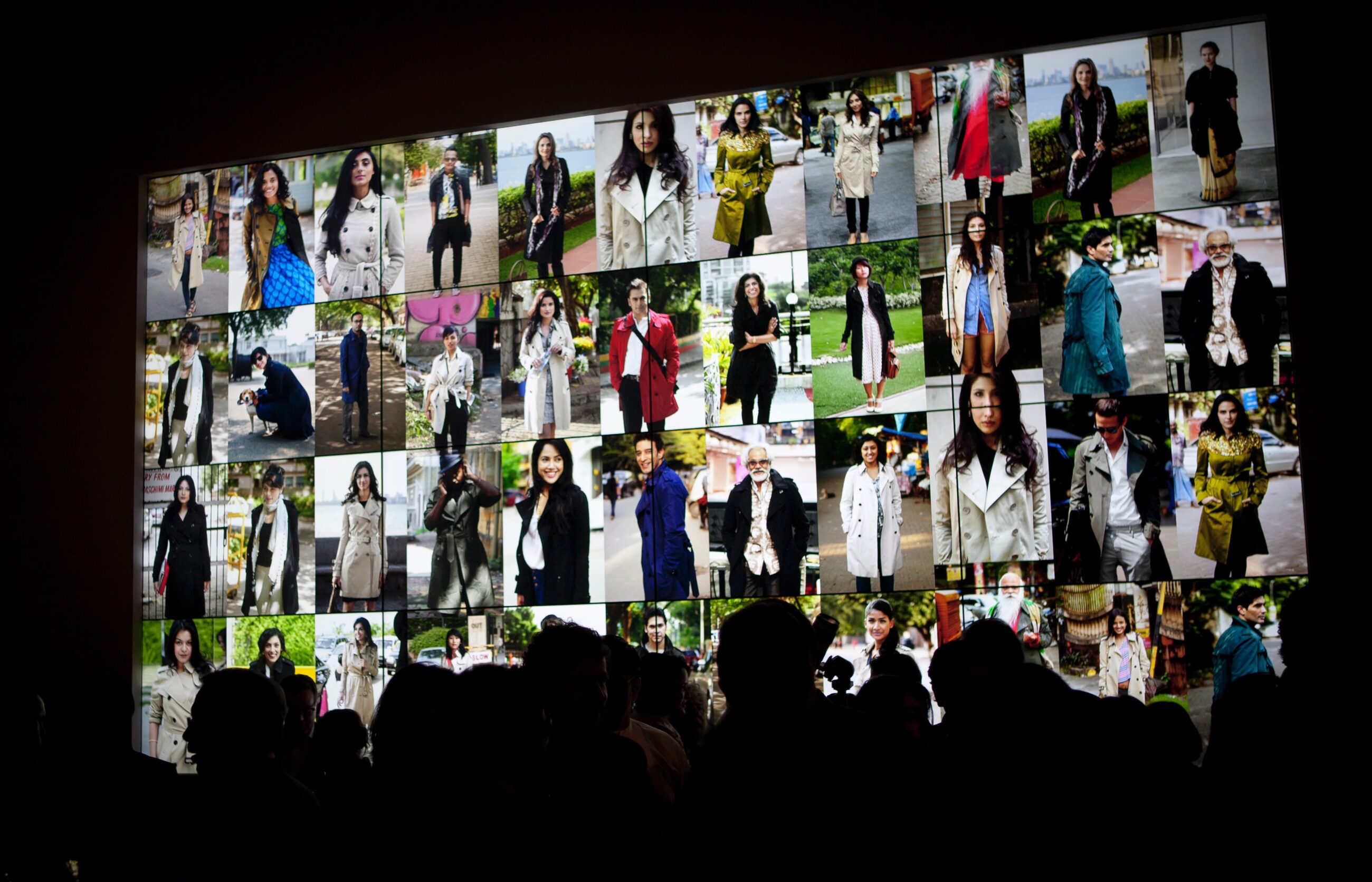
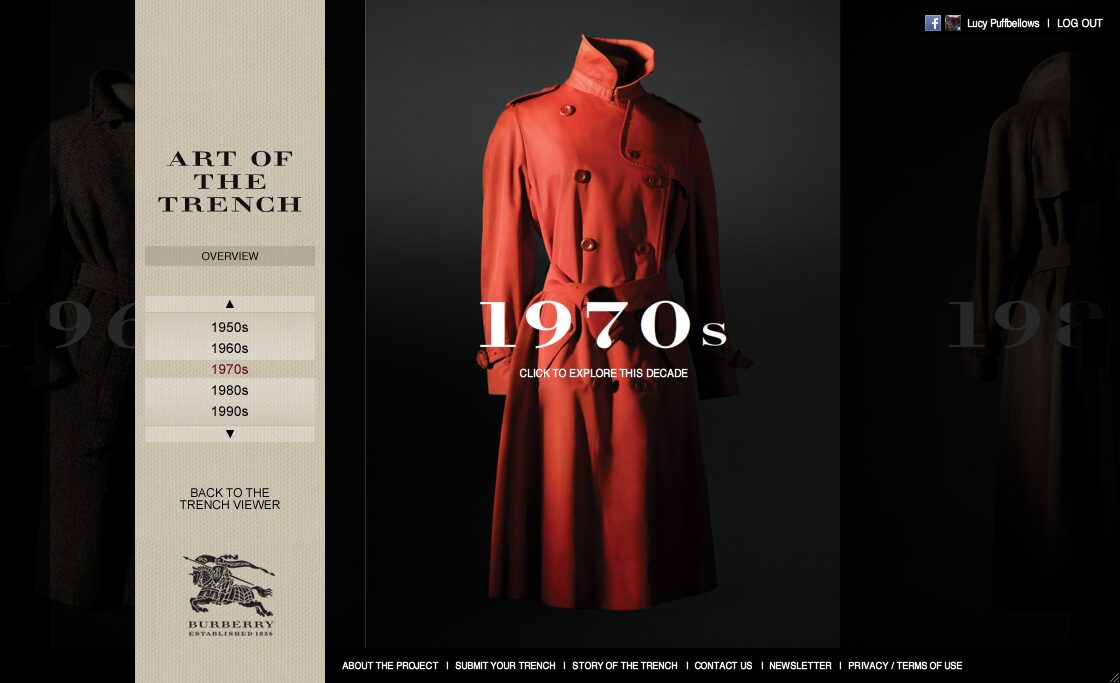
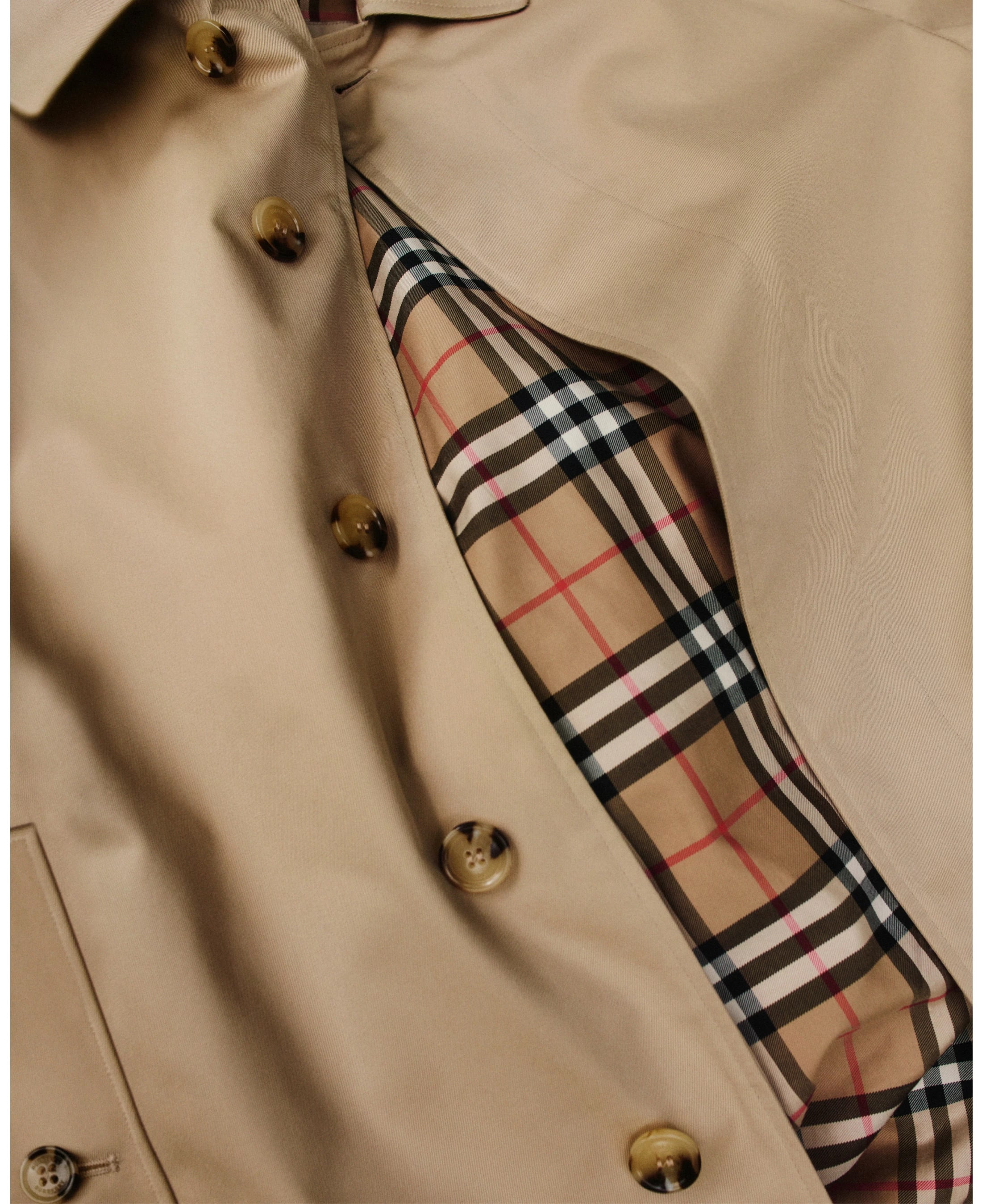
In November 2009 we launched Burberry’s Art of The Trench, a social gallery of real people wearing their own trench coats. It ran for years and gathered 25 million page views across editions from Rio to Seoul.


In the late 2000s luxury fashion treated the internet with suspicion, fearing it would dilute the exclusivity the category is built on. Under Angela Ahrendts and Christopher Bailey, Burberry had set out instead to become the first fully digital luxury company, and wanted to make its hundred-year-old icon matter to a younger audience.
Social platforms of the day, like MySpace, gave a brand no control over how it looked. The challenge was how to invite a new generation, who admired the trench but mostly didn’t own one, behind the velvet rope, into a new type of participatory experience that made the trench even more desirable.
We worked with BBH London to define the concept from a standing start in just nine weeks. We then created and built the platform over the following sixteen, from proposition through design, engineering, scaling and handover.
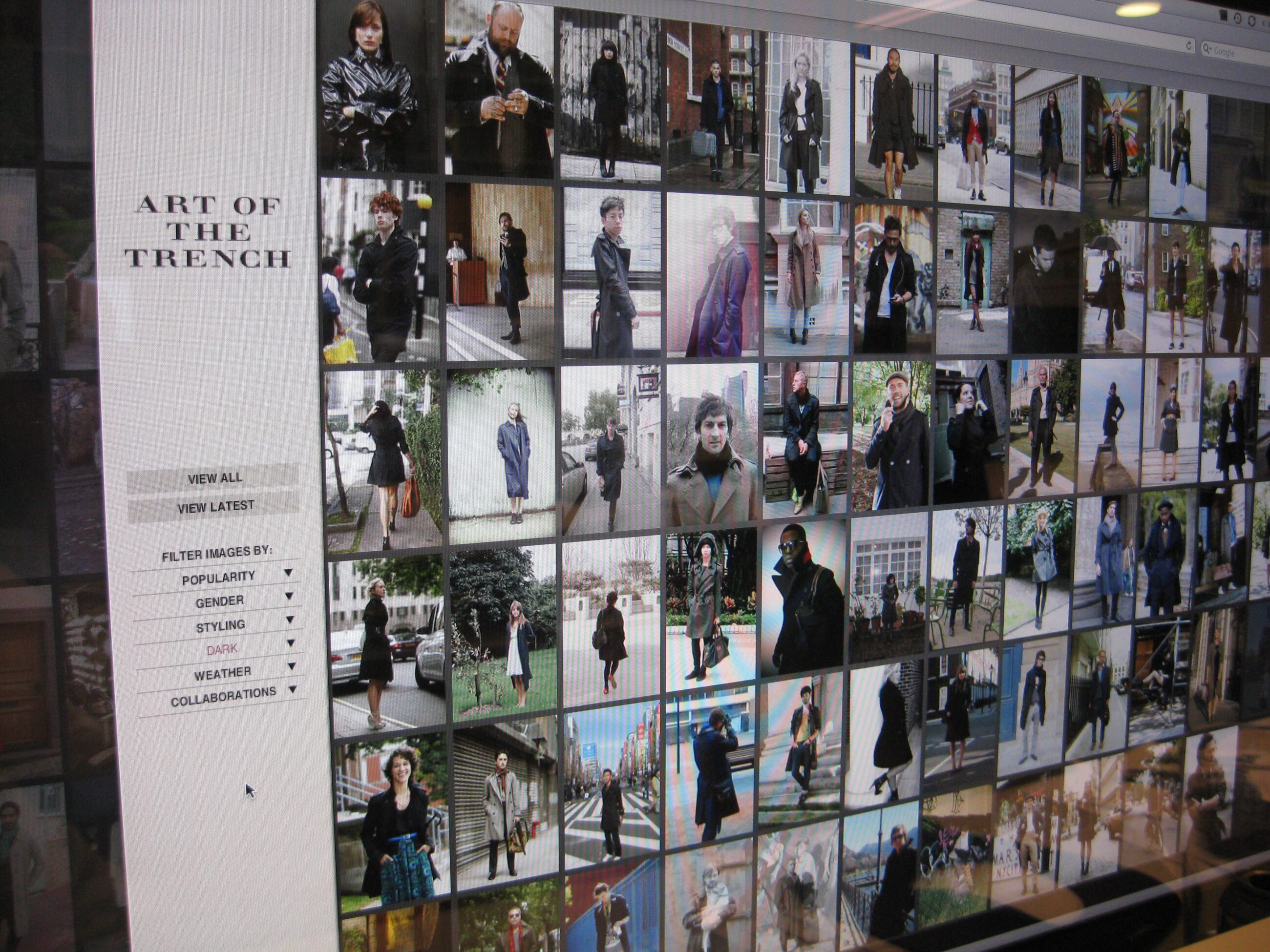
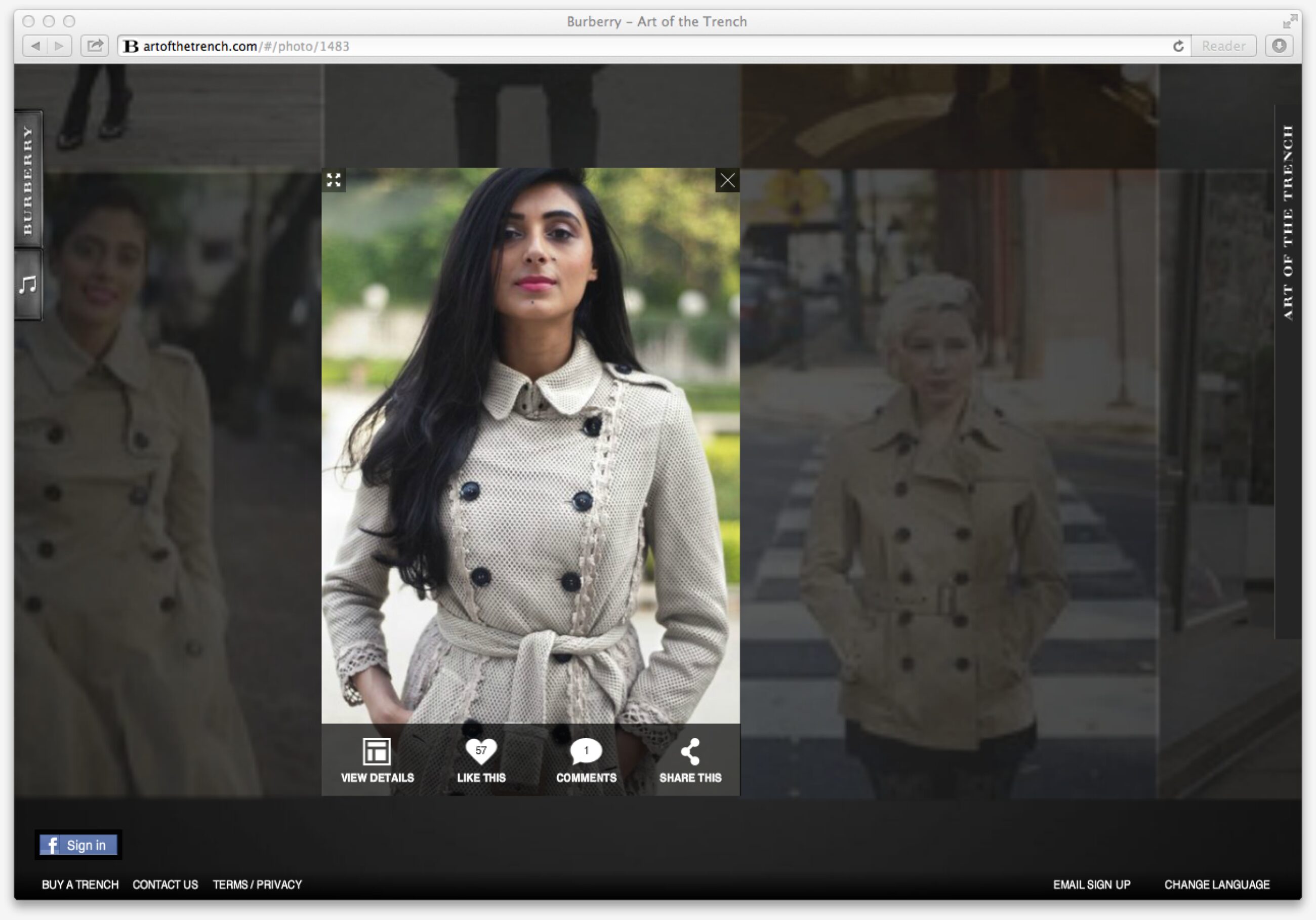
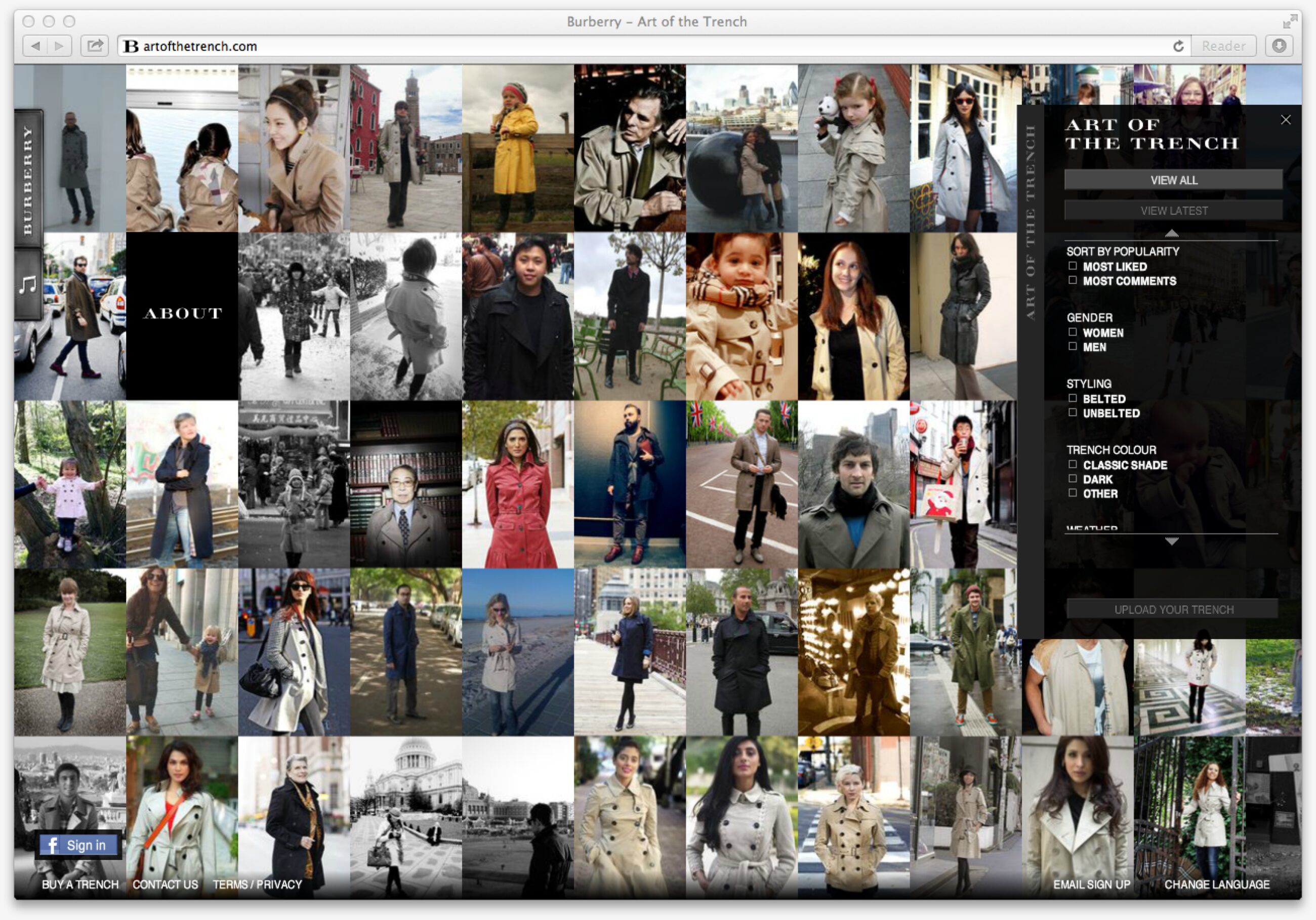
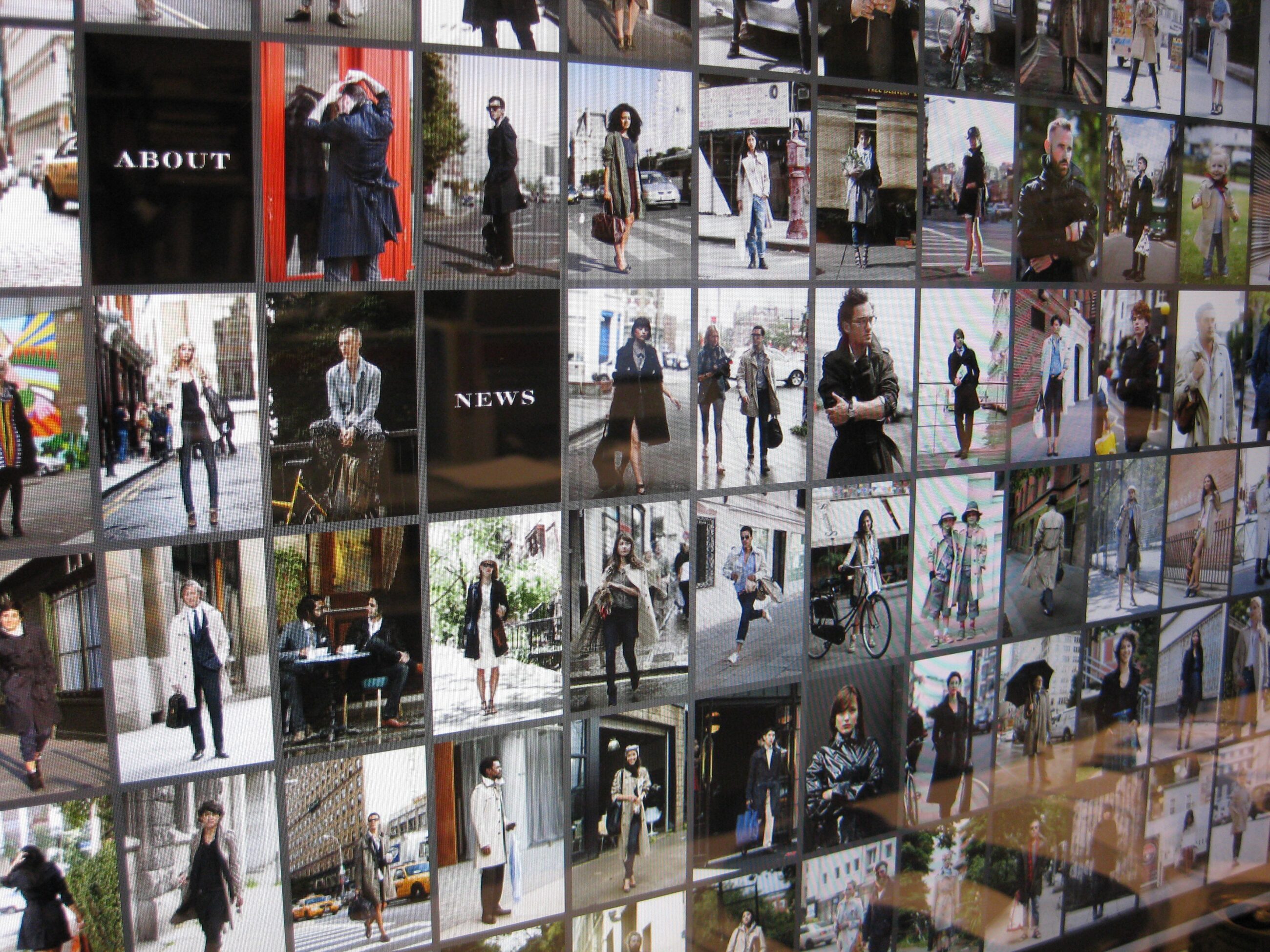
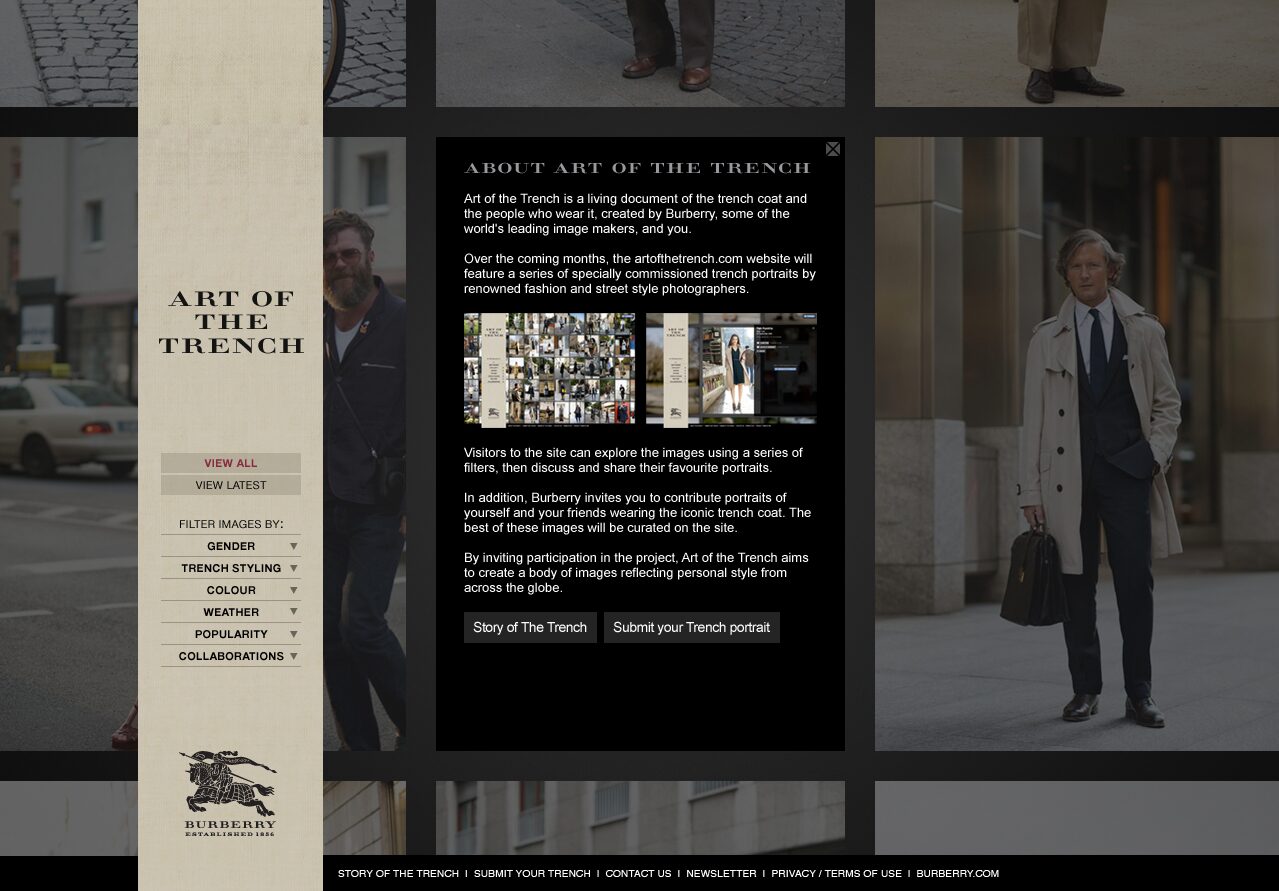
We created a standalone site rather than a page on someone else’s platform, so Burberry kept its look and feel. Hundreds of portraits sat on infinite canvas, filterable by gender, styling, weather and popularity. Scott Schuman of The Sartorialist shot 100 portraits for launch, setting the aesthetic bar for everything that followed; Magnum contributed more, and trench-owners everywhere in the world submitted their own, with Bailey hand-picking the best for the site. Art of the Trench was one of the first luxury fashion sites built around Facebook Connect: visitors signed in with it to comment on and share the trench coat photos, and every like and comment flowed back into people’s feeds.
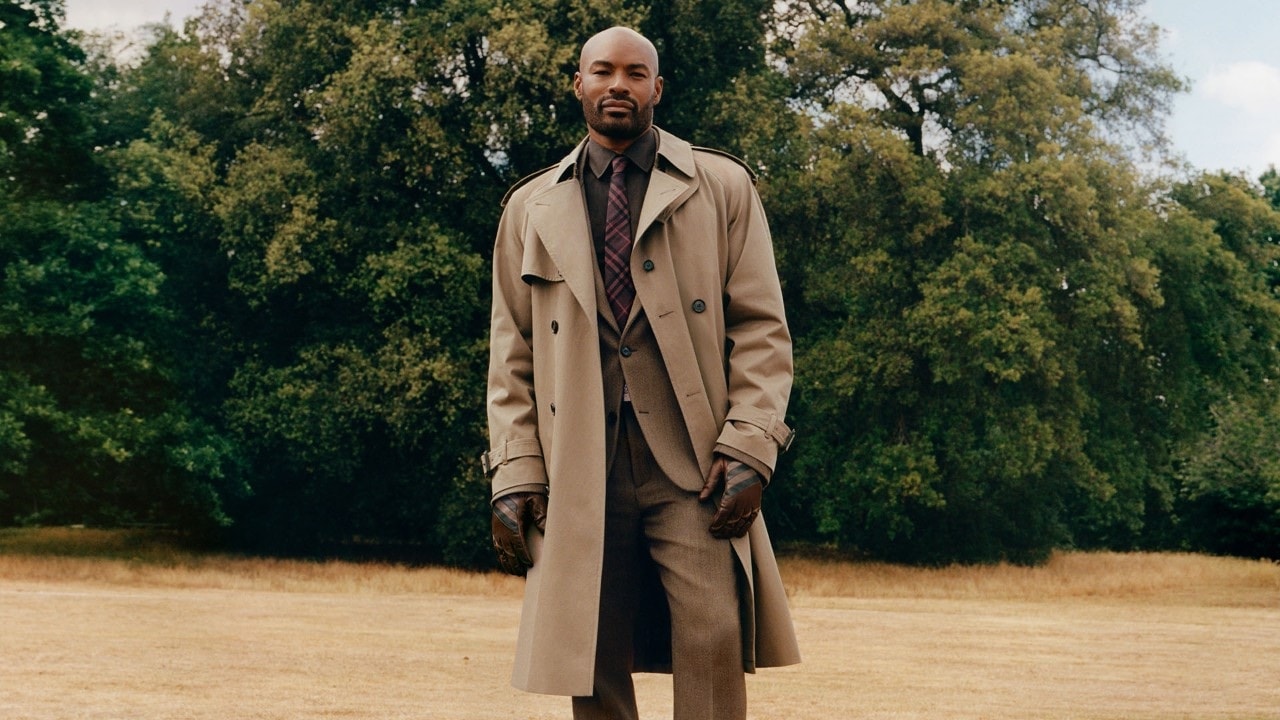
Burberry’s marketing team saw a campaign that would be over by Christmas. We argued it was a new type of product platform, and global reaction to the site proved this was the case. Nearly five years later Art of The Trench was still running, including a Tumblr edition and a shoppable experience on Burberry’s own ecommerce homepage. It’s a platform idea that Burberry have used over and again, including in the 2026 campaign ‘The Trench, Portraits of an Icon’.
In its first three months the site drew 330,000 visitors from 191 countries, each spending an average of 5.5 minutes across 12 pages, and earned an estimated £6.8m of free media on a paid budget of zero. By the end of the first year it had 7.5 million page views from 150 countries. Burberry’s trench coat sales rose 85% year on year, its share price hit a two-year high the day after launch, and within twelve months its Facebook following passed one million, the largest of any luxury brand. Traffic from the site converted on burberry.com at well above the rate of any other source.
Participation worked, and only built Burberry’s prestige and pricing power, and what followed built on it for a decade: the first 3D-livestreamed runway show within months, Tweetwalk in 2011, Twitter’s Buy Now button in 2014, See Now Buy Now in 2016. Over those ten years Burberry’s revenue went from £1.2bn to £2.7bn and its share price from around £6 to £22, with the trench coat, the principle established in 2009, still at the centre of its campaigns.
“Everyone had a very clear idea of how they wore their trench coat. It means something different to everybody.”