
World Economic Forum
Case studyEnergy
The company had become a solutions business. Its website had not.
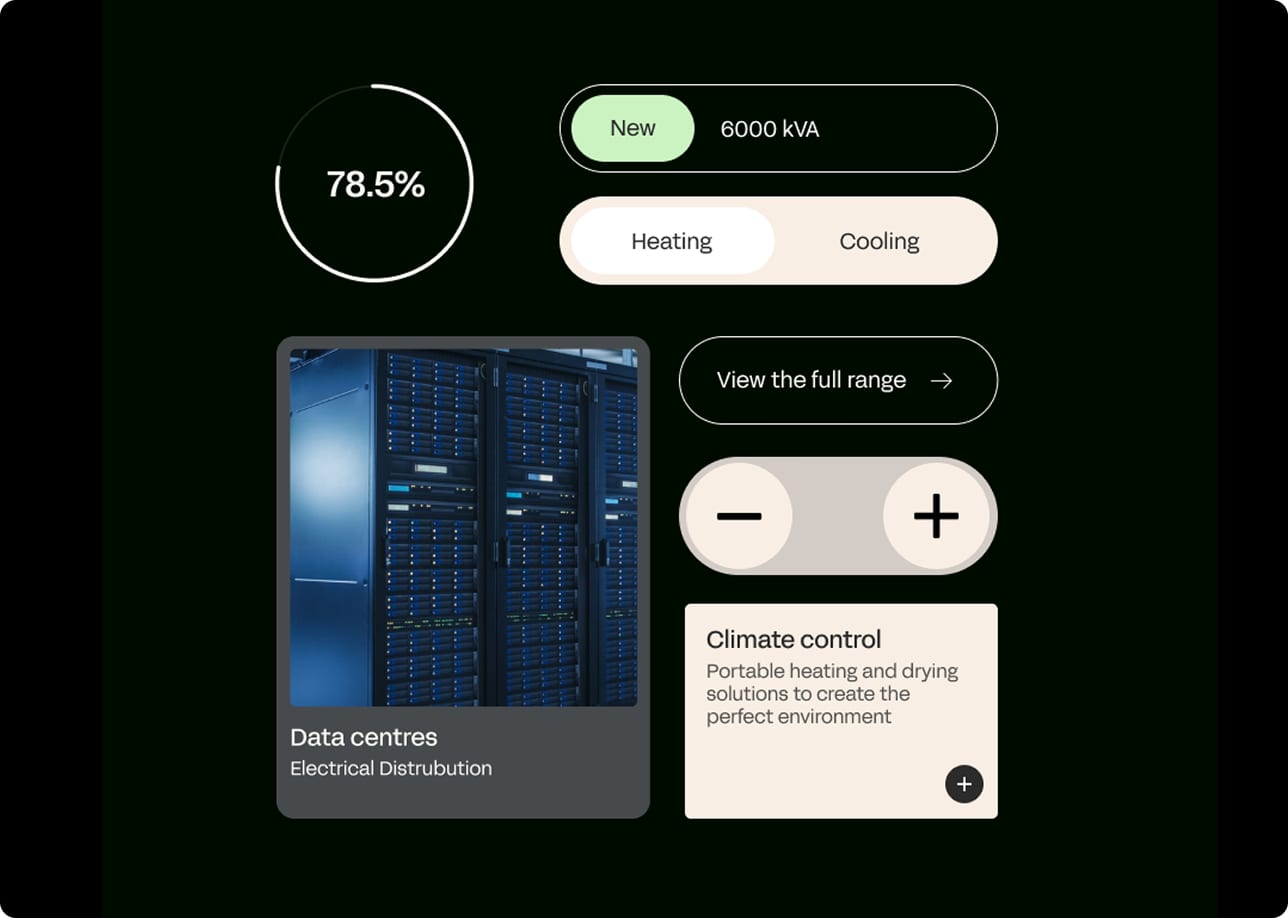
A global leader in mobile modular power had spent several years becoming something different: less a supplier of products, more a partner on energy solutions. The digital estate had not followed. It still described the old company, and it was the first thing partners and prospective investors met.
That gap was reputational before it was commercial. When the shop window is a version of the business that no longer exists, the market prices the version it can see. We had three weeks to settle a design direction that could hold two jobs at once, converting customers now and showing investors what the proposition had become, without disturbing the revenue the existing site already produced.
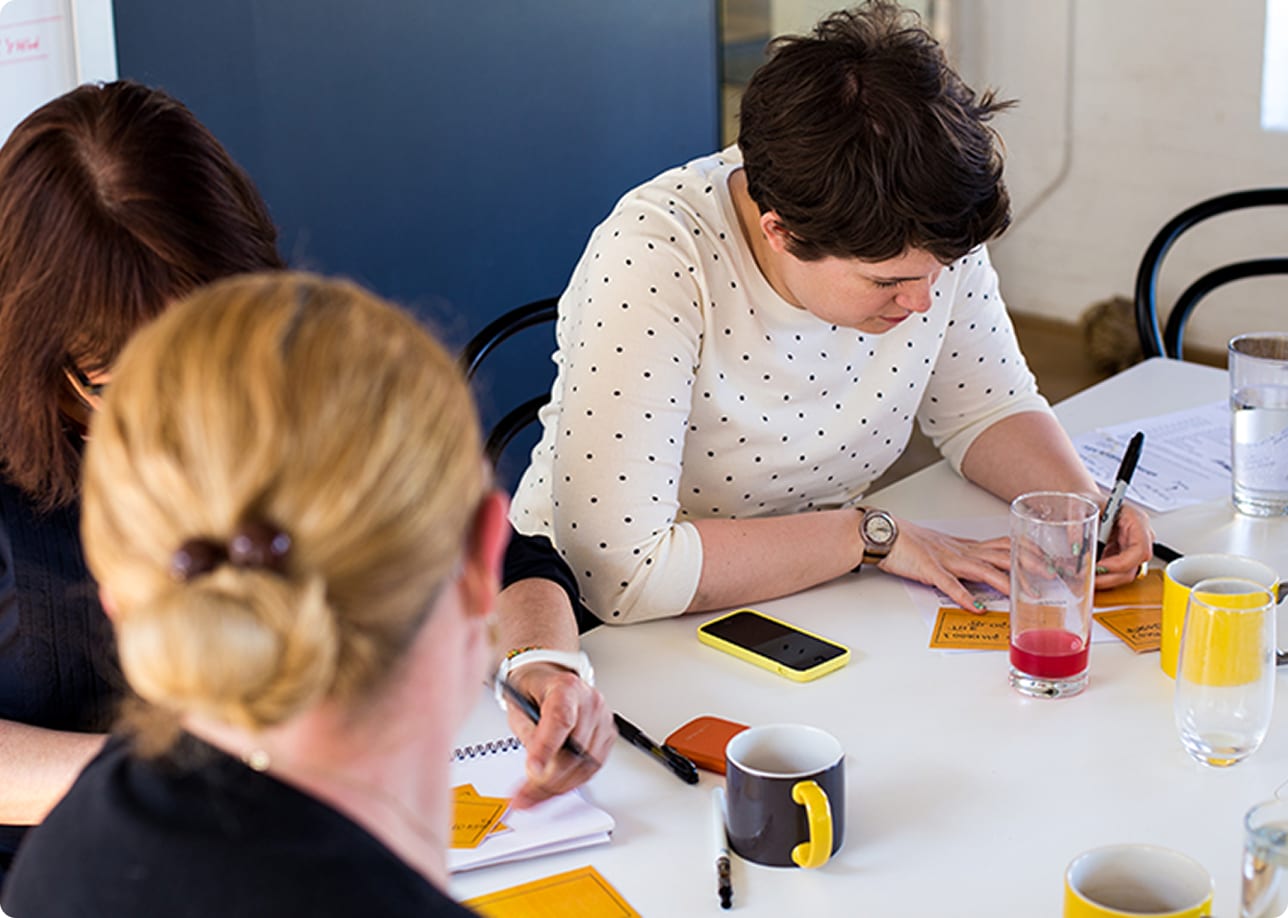
Week one put the whole global estate, its performance data and the industry benchmarks in front of the people who owned different parts of it, in one room. Web, brand, communications and the executives with a view on valuation had not previously seen the same picture at the same time.
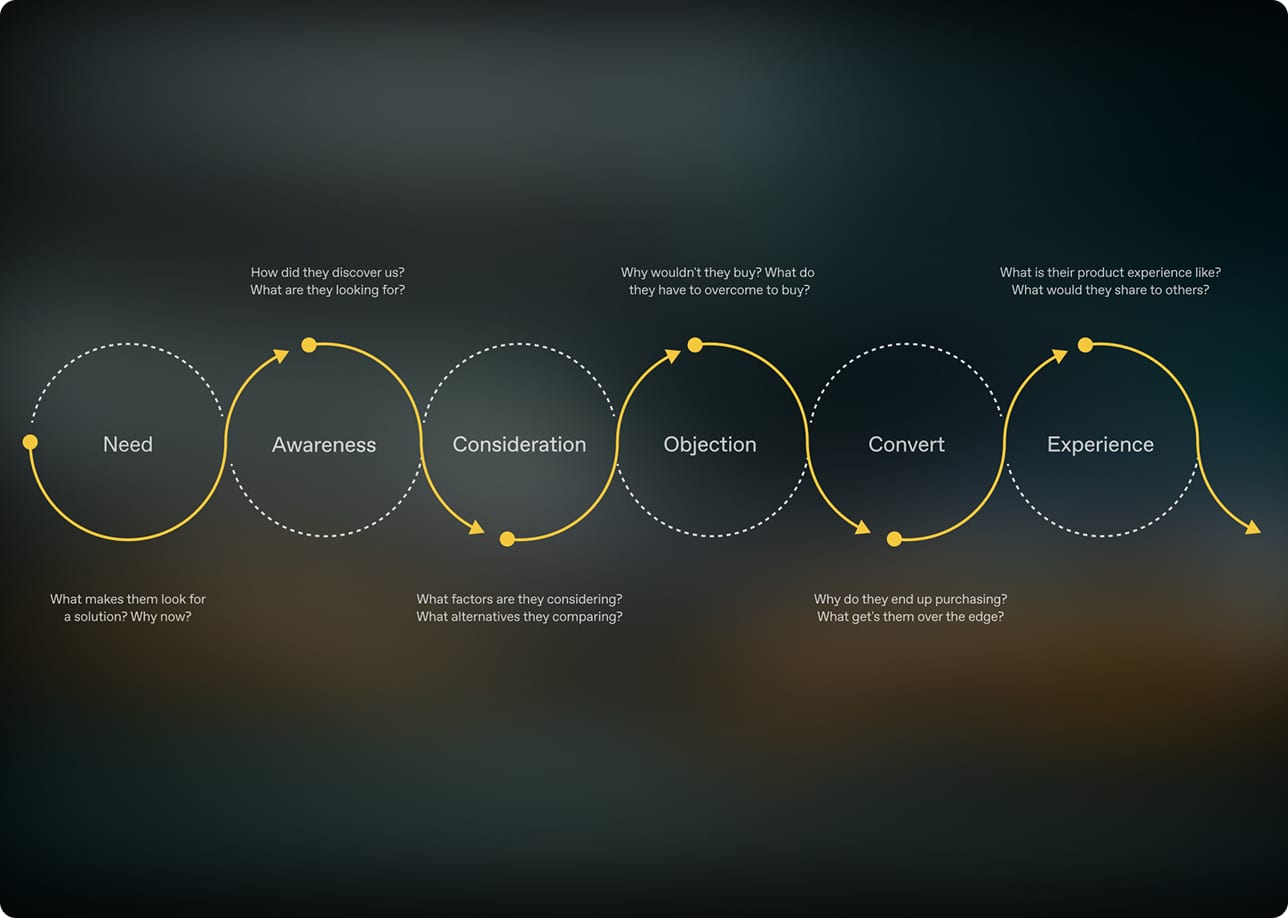
We mapped the current experience across the global pages, paying particular attention to investor-facing content and the way the company told its own story, and named the places where the pages contradicted the solutions narrative the business was now selling. Two to three journeys came out of that as the ones worth designing.
Then the sprint hit the thing that actually blocked it, which was language. The company did not have agreed terminology for what it now sold. Different regions and functions used different words for the same offer, and no navigation can be right while that is true, because the menu is a claim about what the business is. We took it back to brand rather than designing around it, which is slower in a three-week sprint and the only version that survives contact with a real content team.
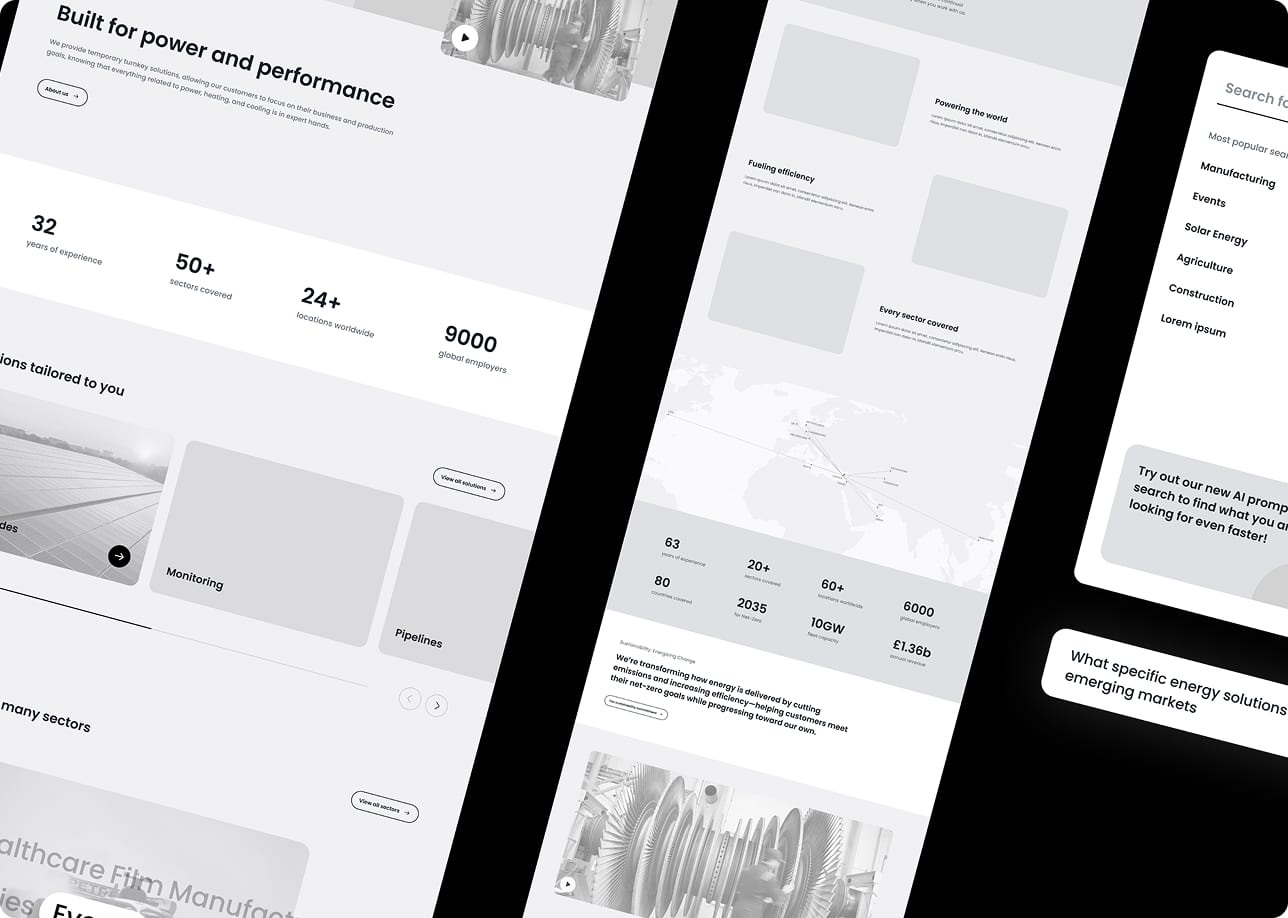
With that flagged, we built low-fidelity prototypes of several information architectures and navigation models, and put them in front of the core team and a representative set of stakeholders. Technical validation, an SEO and analytics review and executive sessions ran alongside, so the direction that came out had already met the constraints that usually kill one.
Twenty-one days produced a prioritised shortlist of journeys and pages ready for detailed design, two to three directional concepts, a longer-term vision that separated the quick wins from the strategic bets, and executives who had watched the argument being made rather than receiving it.
The terminology problem was surfaced as a brand decision with an owner, instead of being absorbed silently into a navigation bar.