
World Economic Forum
Case studyEducation / Technology
Connecting millions of kids and teachers in 230 countries
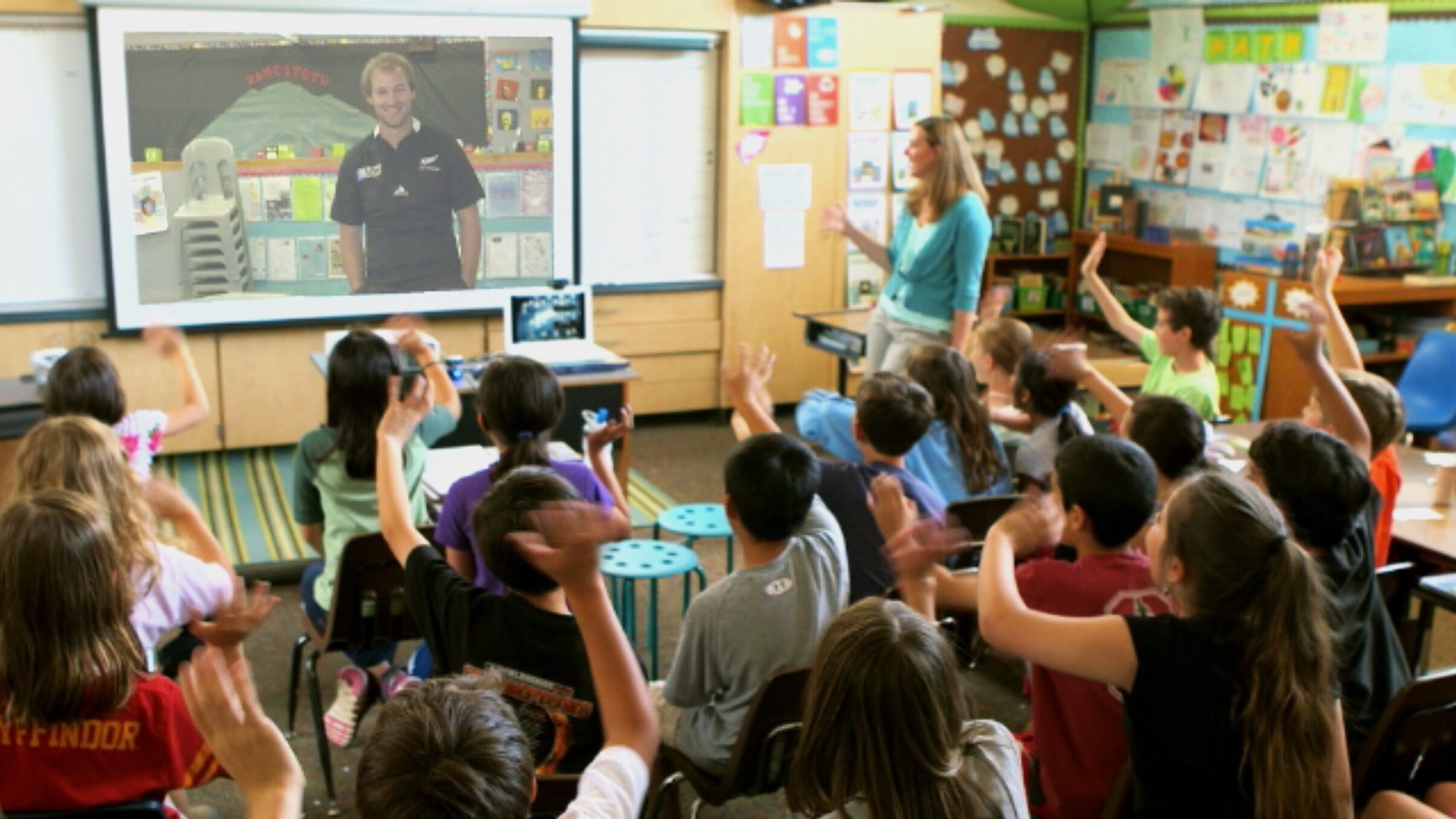
Skype in the Classroom became the centrepiece of Microsoft in Education: a free community connecting tens of millions of students, teachers and parents across 230 countries, which The Washington Post called ‘one of the milestones in classroom technology from the past several decades’. It began in 2010 as a four-page directory, shipped in four weeks.
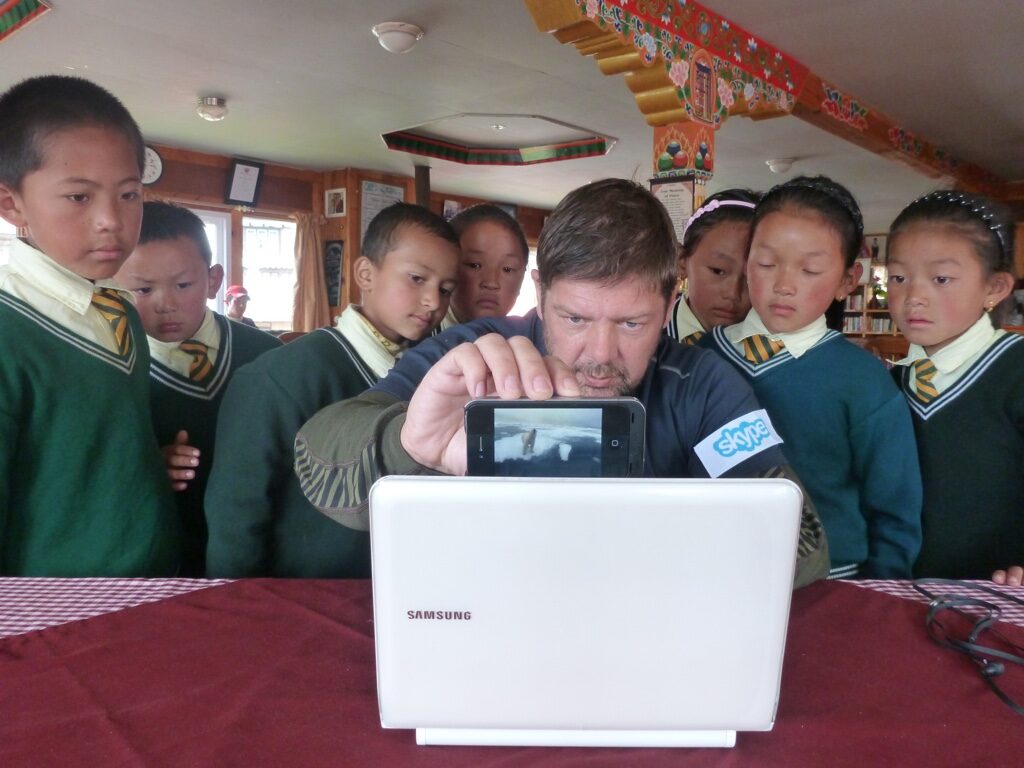
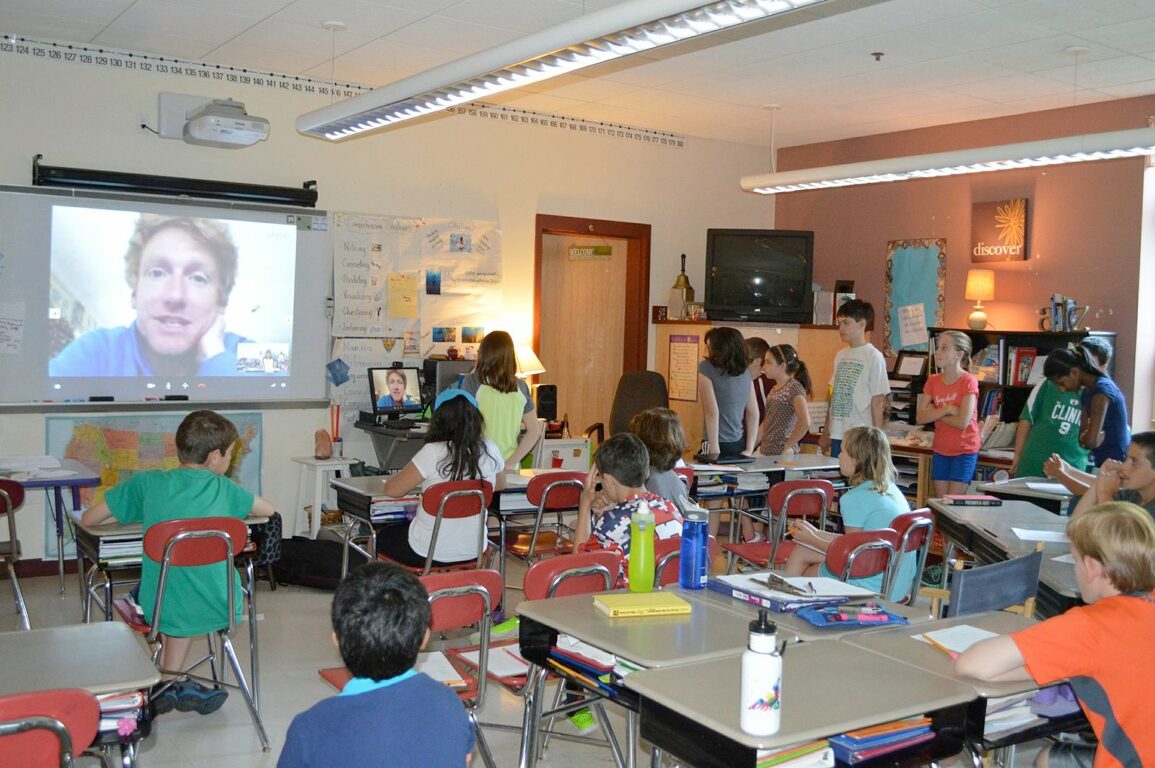
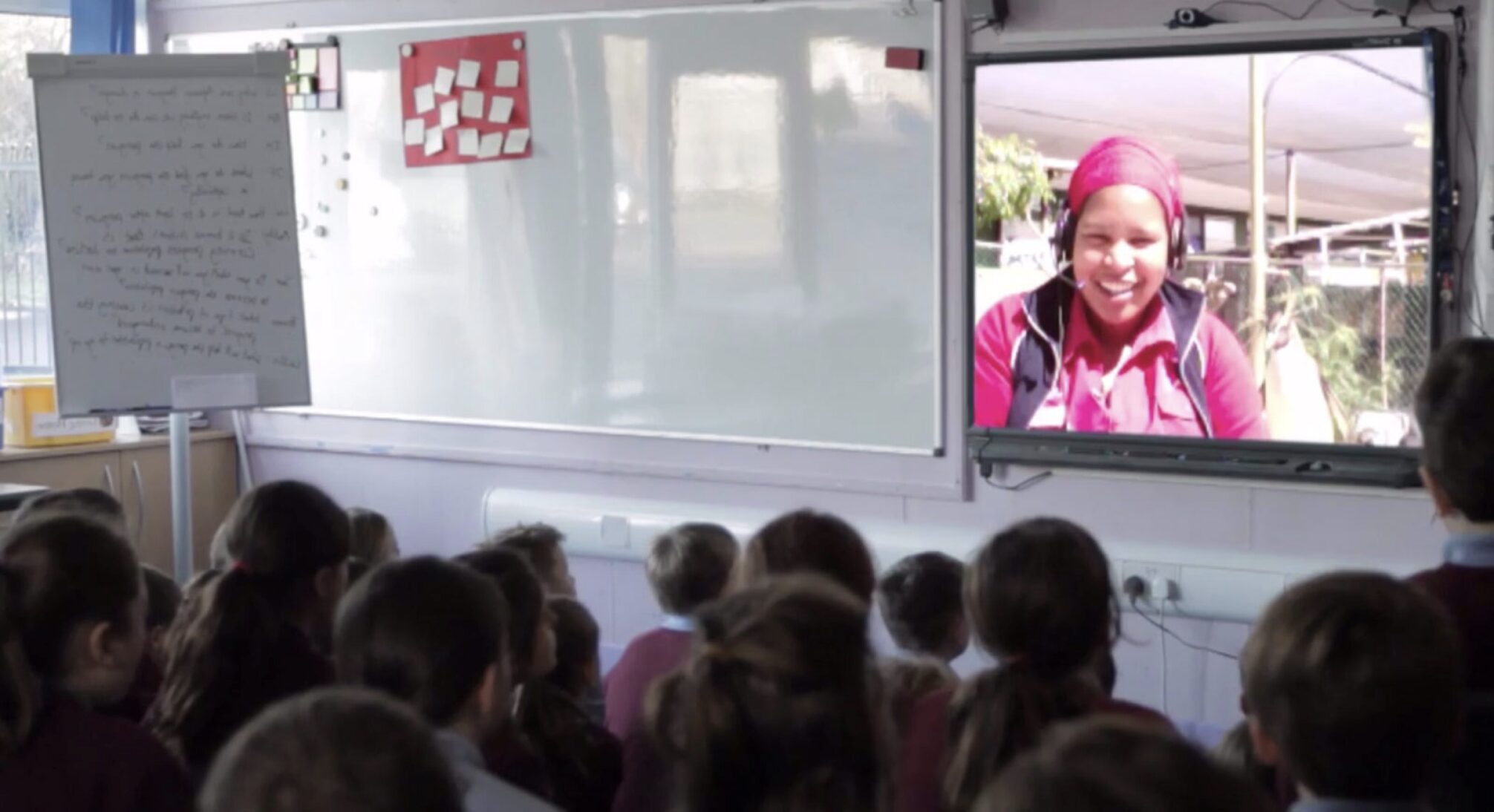
In 2010, Skype told us about some fascinating user behaviour. They had noticed teachers all over the world using Skype calls in ways the company had never imagined, to teach: running joint lessons with classes in other countries. Skype’s initial brief to us was to think of a way to collect these stories and use them to promote the service.
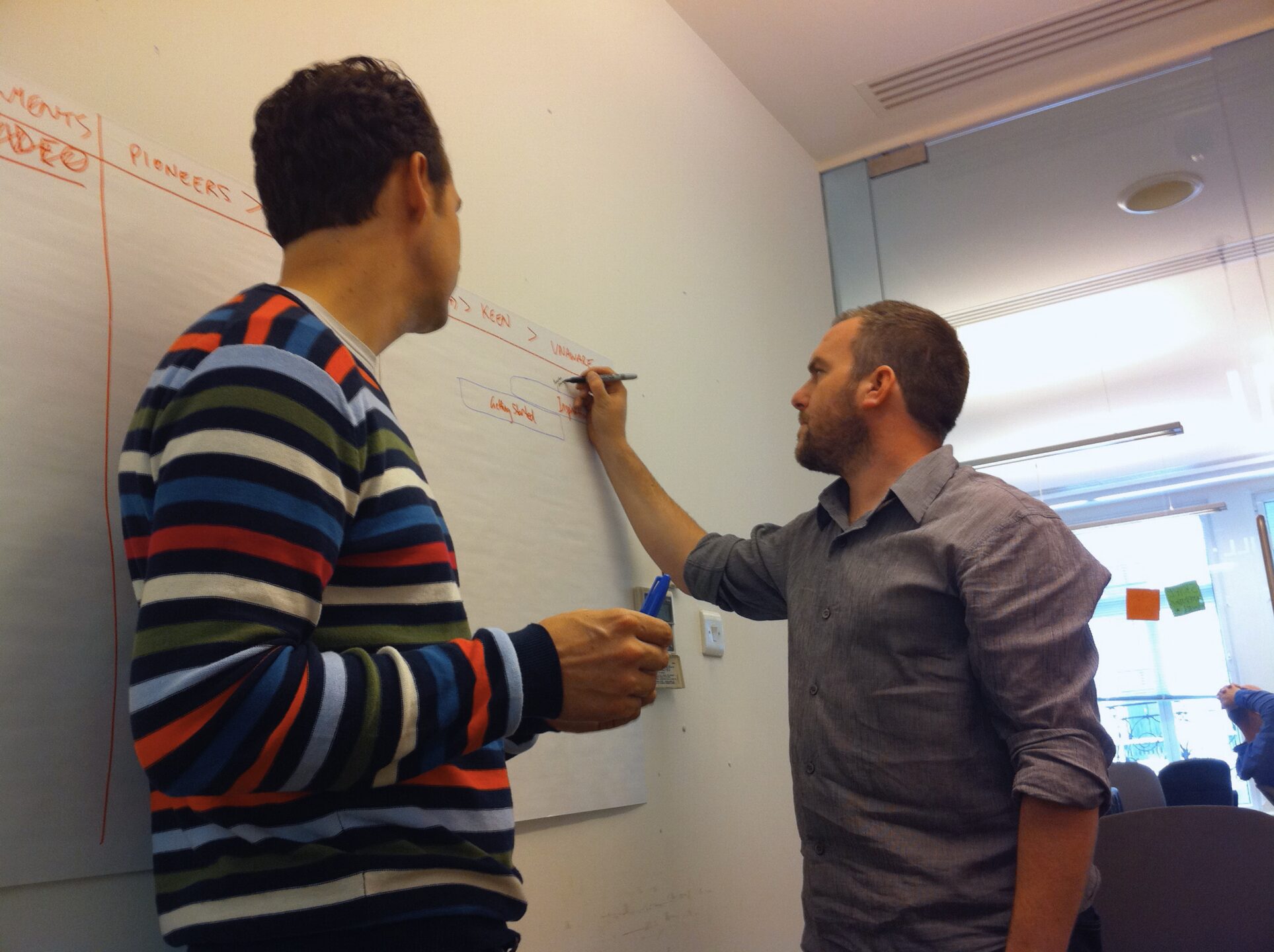
We proposed doing something different: a short piece of research with pioneering teachers to understand this emerging behaviour, their goals, contexts and pain points, and whether Skype could make it easier for them to do what they were already doing. With a tiny budget Skype found down the back of a sofa, we uncovered an incredible workaround culture: teachers hacking Skype and other free tools together to transform learning for their students, organising everything by hand on bulletin boards and Twitter. A teacher who wanted to start had no way to find a class to call.
We proposed building a layer on top of free Skype, instead of running a campaign that would have had limited shelf-life — and wouldn’t have appealed to these pioneer-type teachers. The service made it easier for teachers to do what they were already trying to do: find other pioneer teachers and innovate their lessons.
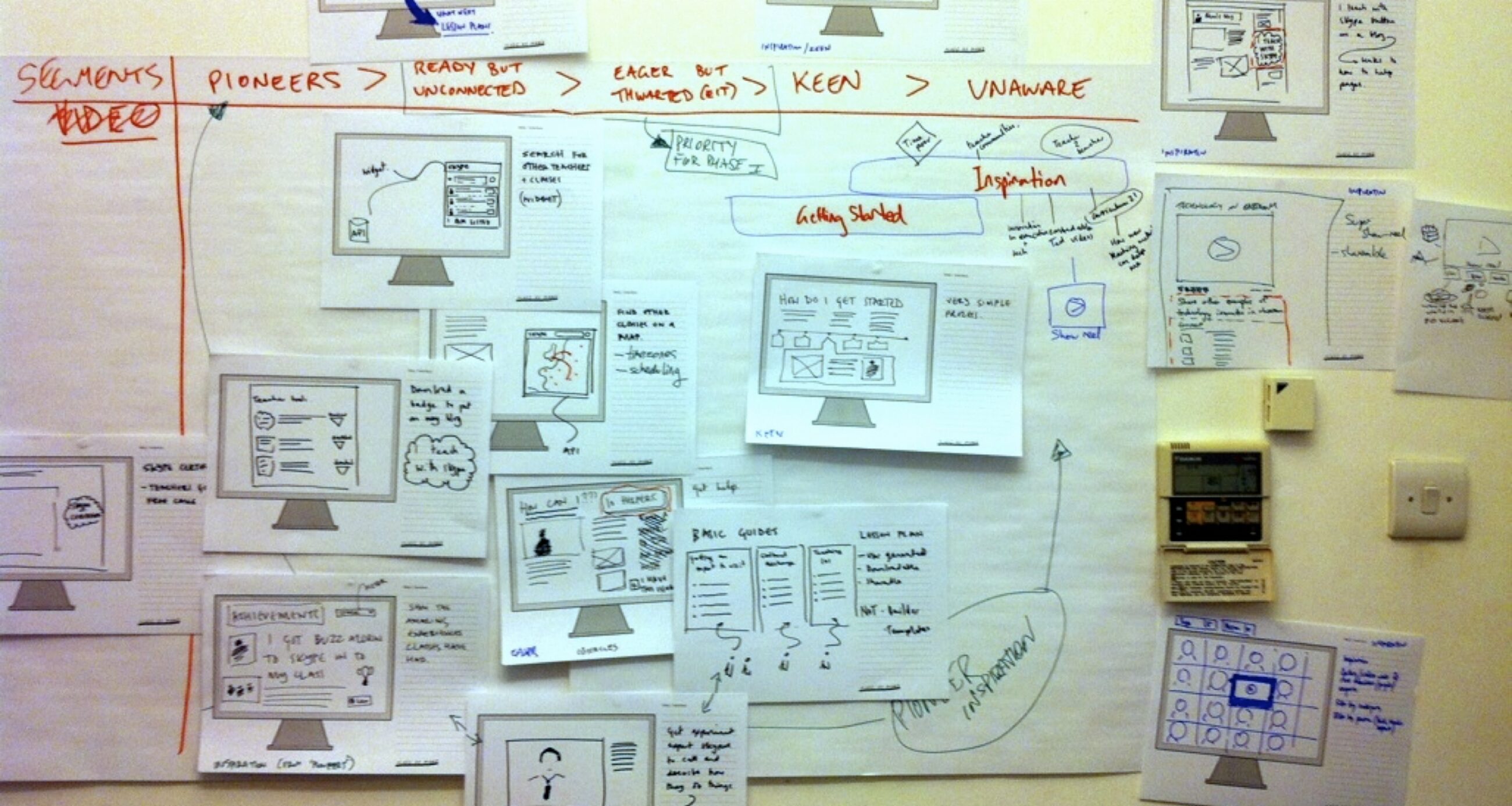
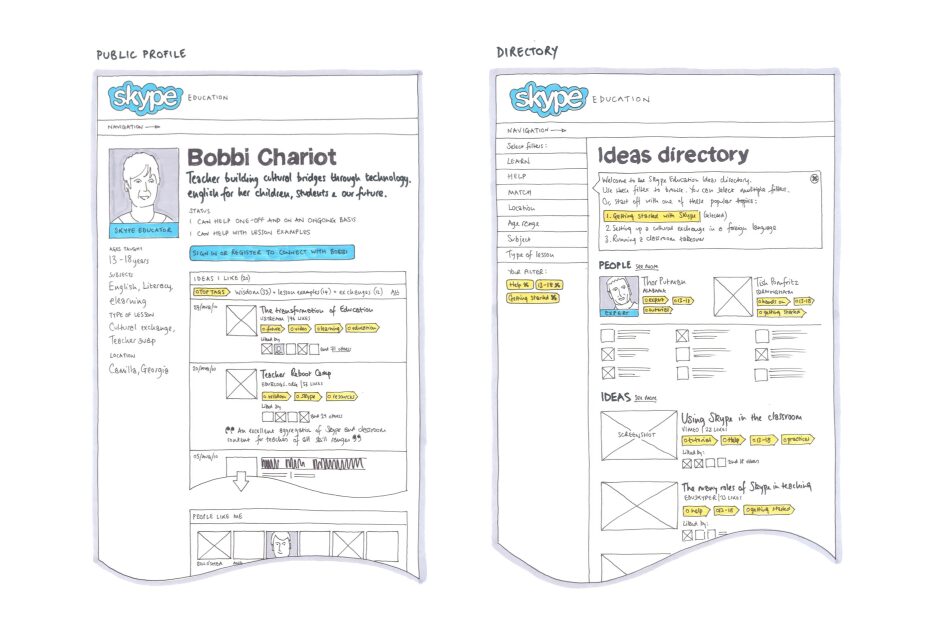
Our first assumption was a lesson-planning tool, but interviews and a survey of 55 teachers in seven countries showed that nobody had time to read lesson plans. They wanted a simple directory, so we sketched four pages out and tested them with seven pioneers. This, they loved. We shipped the first release two iterations later.
In the closed beta alone, 1,860 teachers signed up and sent 1,000 contact requests; more than one in two connected with another teacher. The analytics also showed teachers hacking the directory to organise joint projects, so the next release was rebuilt around projects rather than profiles. We followed what the teachers were doing with the tools we’d given them, and turned their ideas into new releases.
Made by Many grew Skype in the Classroom from a tiny beta community to One cross-functional team, combining customer research, service and product design, software engineering and day-to-day product management, then ran the service from 2010 to 2015, releasing weekly and often daily. It added lesson plans, scheduling and sign-in with a Skype account, then guest speakers and virtual field trips with partners including NASA and the Smithsonian, and Mystery Skype, the classroom guessing game. After Microsoft bought Skype in 2011 and use on phones and tablets climbed, we rebuilt the platform as a responsive site in Microsoft’s Metro design language.
The service reached 14,000 teachers in its first six months, ahead of target, and teachers who used it were twice as likely to buy paid Skype products such as group video calling. In 2015 it won two Webby Awards, a Tomorrow Award for product design and a Core77 Design Award citation. We handed the operation, the code and what the team knew to Microsoft, and under Microsoft it grew into the global community it became.
“Made by Many took us on a magical journey, inspired by the way teachers were hacking Skype to connect their classrooms. Together we grew it into an everyday learning tool that’s become a million times more successful than we could possibly have imagined, and became the ultimate manifestation of Skype’s soul.”