
World Economic Forum
Case studyEntertainment
Re-inventing a business built on luck for a generation that doesn’t believe in it
Our client is a global entertainment business facing generational disruption. Its core product is a national institution in every market it operates in: trusted, government-backed, raising hundreds of millions a year for good causes, and played mostly by people over 45. But in its largest market, only one per cent of players in the previous twelve months were Gen Z. Over a multi-month engagement, we co-designed with Gen Z at scale, using AI to amplify human insight and rapidly develop new category propositions.
The brief was to build something new. A new global product and business, untethered from the parent business, unconstrained by licensing and free of the stigma attached to the existing category, that still carried the DNA of the original: social games built on hope, real-world reward, and giving that makes a win feel like it goes two ways. And not just concepts: the business asked for the case behind them, with the growth of each product concept modelled so leadership could decide what was worth backing. It needed tangible, testable futures it could put in front of its board, not another strategy deck, and it needed them fast.
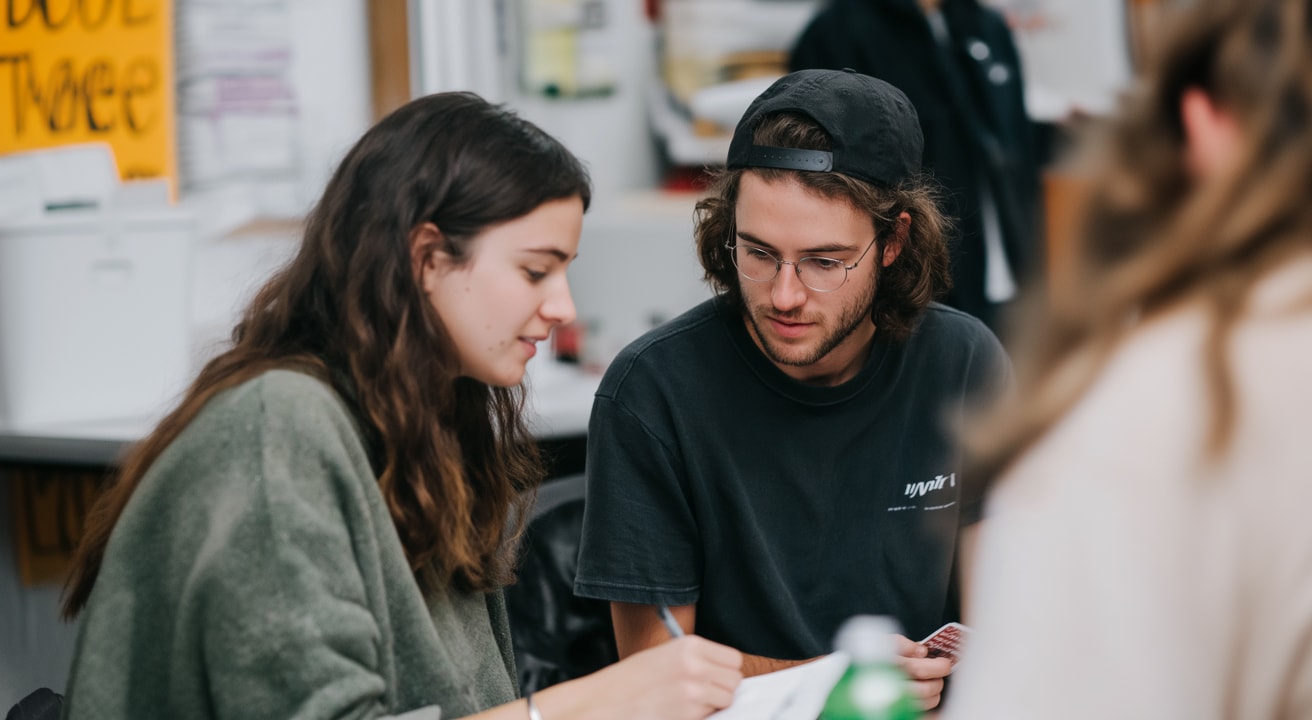
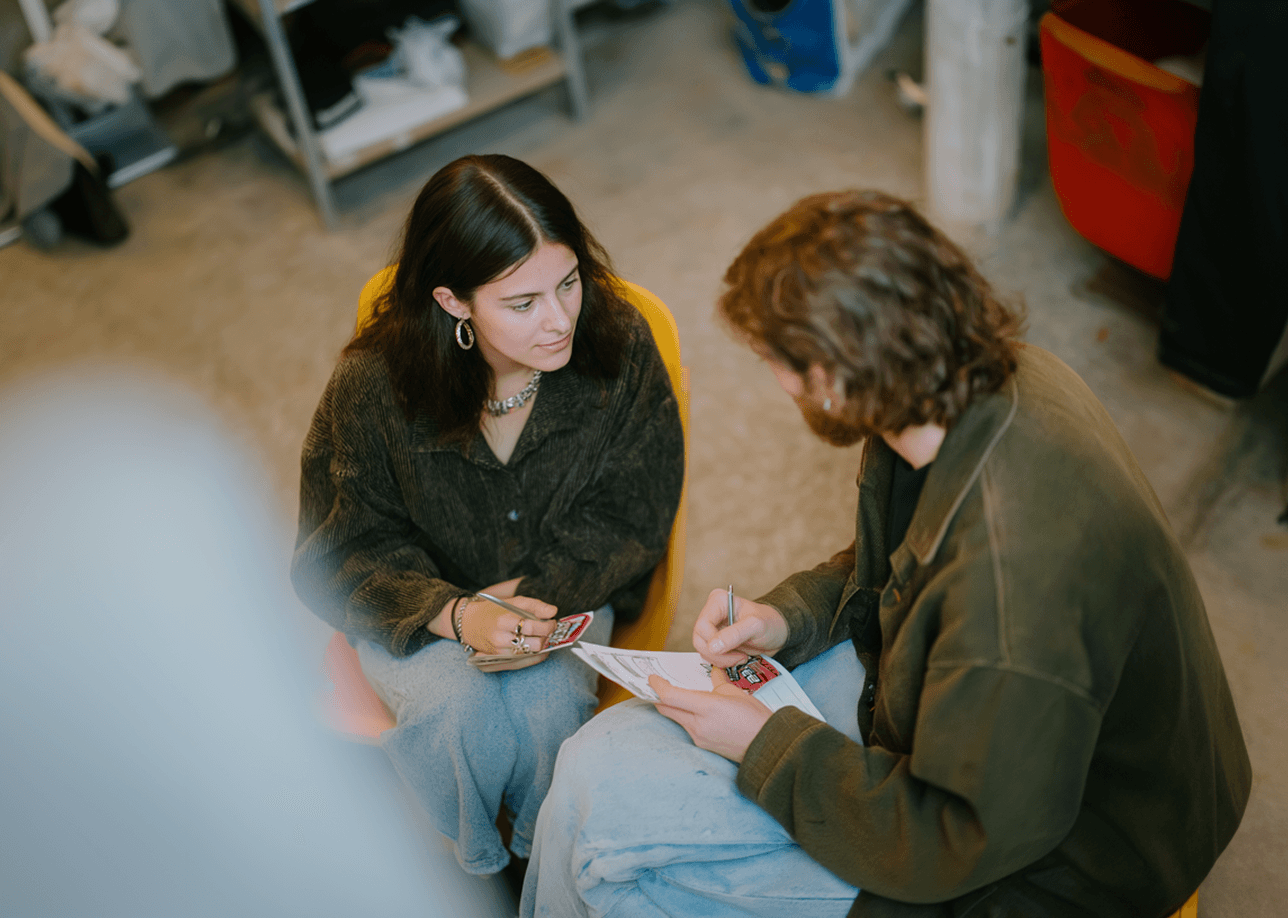
We ran ideation workshops with Gen Z participants and category experts and came out with over 200 ideas, which narrowed to nine territories, then six. Over the following months we tested them with young people across the UK and the US, in interviews, friendship groups, and co-design sessions where Gen Z sat in the room alongside the client’s own team.
AI ran through the whole loop. It helped the team generate and organise ideas at volume. AI design and prototyping tools turned sketches into experiences people could hold and react to in days rather than months. Askable, an AI-powered research platform, tested concepts with hundreds of young people between face-to-face rounds, and AI synthesis turned hours of interviews into actionable insights while the next round was still being planned. A learning cycle that normally takes months ran in weeks, again and again.
The research broke the central assumption of the brief. Gen Z do not want to win. They want to earn. Life-changing prizes read as implausible and, when imagined, undeserved. Prize draws carried exactly the stigma the brief was trying to escape, and hope was the thing young people said they didn’t feel in one. Even dreams had shrunk: this is a generation that finds a goal more believable than a dream. Charitable giving motivated nobody to play, but it helped people justify paying once they had decided to.
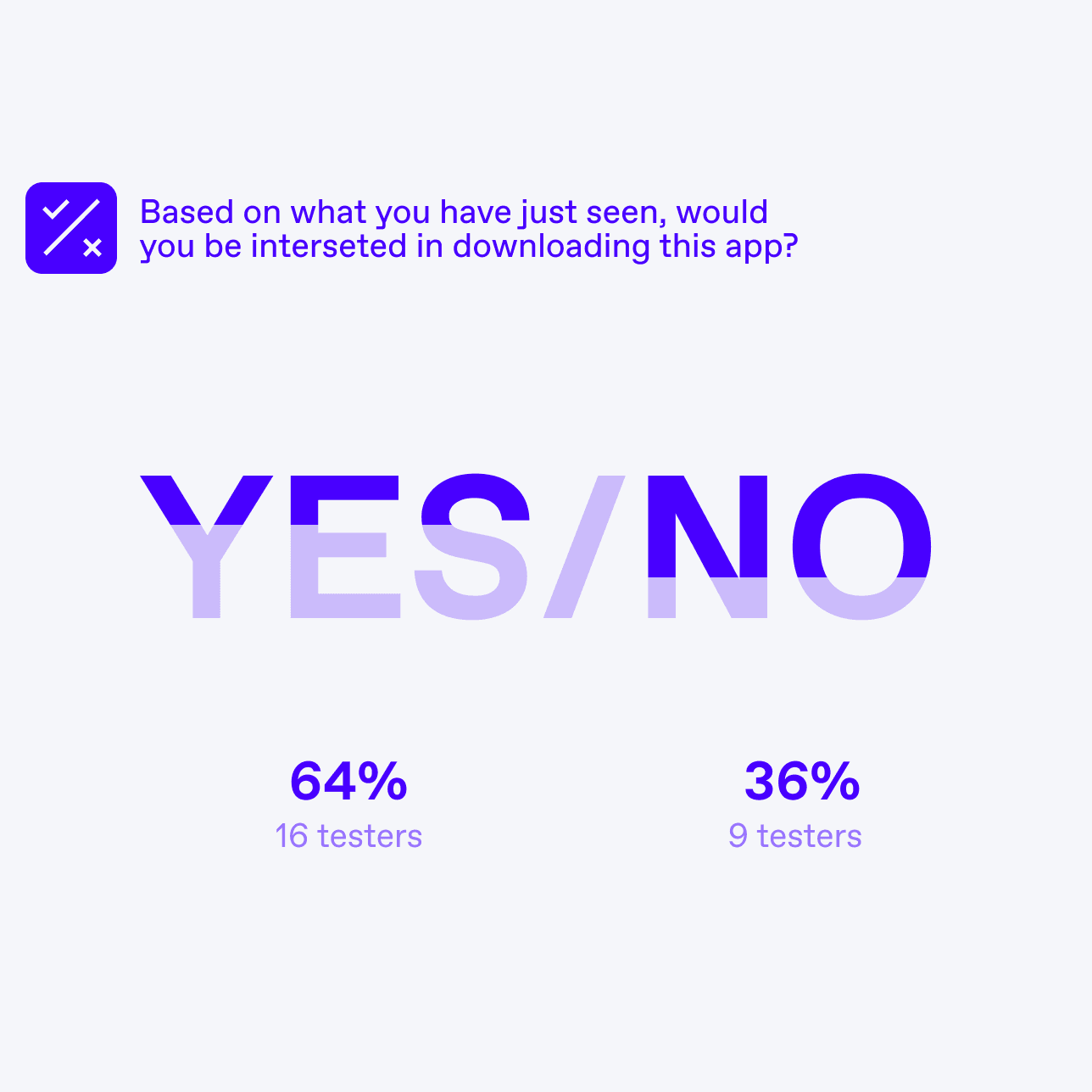
We built eight interactive prototypes and tested them. Three were taken forward, four were merged into stronger ideas, one was killed. What survived shared a mechanic the business had never built: winning through action and skill rather than chance, with good causes attached to the outcome. For each surviving concept we built the business case, modelling how it could grow and what it would take to deliver.
The work gave the business a second mission to sit beside the existing one: from winning your dream through games of chance, to bringing people together to achieve their dreams through action and skill. The client took three product concepts, each with a modelled growth case, forward to a pilot in the US, and by July 2025 leadership had made the work the basis of its own vision for the future of the business.