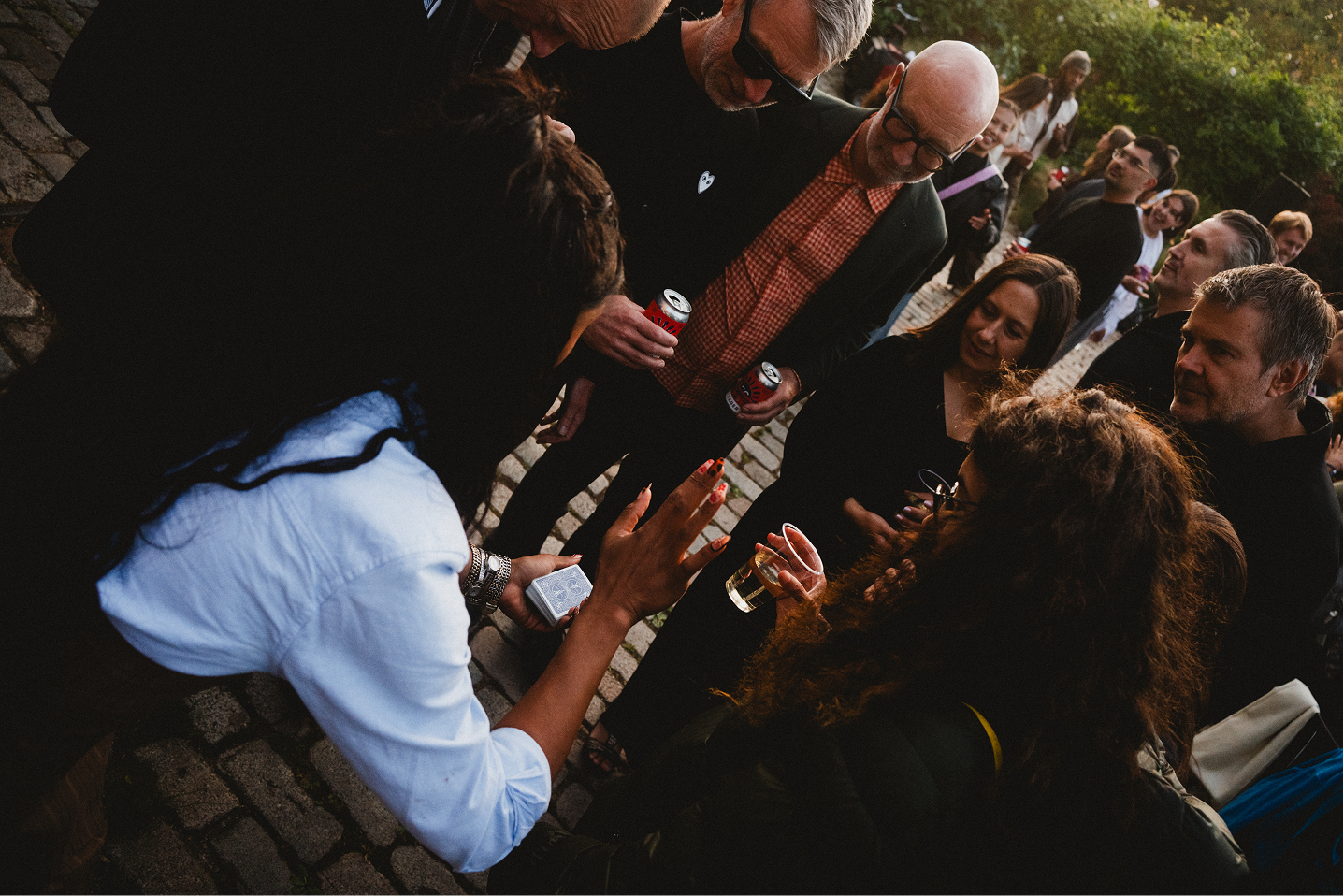
Last year, during SXSW London, we decided to create our own completely unofficial fringe event at Diespeker Wharf.
The idea was simple enough: recreate some of the things we’d always loved most about SXSW Austin. Not the giant queues, branded lanyards and keynote-industrial complex, but the strange conversations, accidental discoveries and sense that people from very different worlds had temporarily formed a small community together.
Above all, the “fringe energy” that seems weirdly missing from SXSW London. Having read some other peoples’ takes on the main SXSW London’s second year, this is unsurprising, given that many of them appear to call out the ‘transplanted’ (or “plopped on top” nature of the SXSW franchise in its new London iteration.
Last year, we thought a few people might come and did it for a bit of a laugh. But loads of people came and we found ourselves hosting one of the most enjoyable things we’ve done in years.
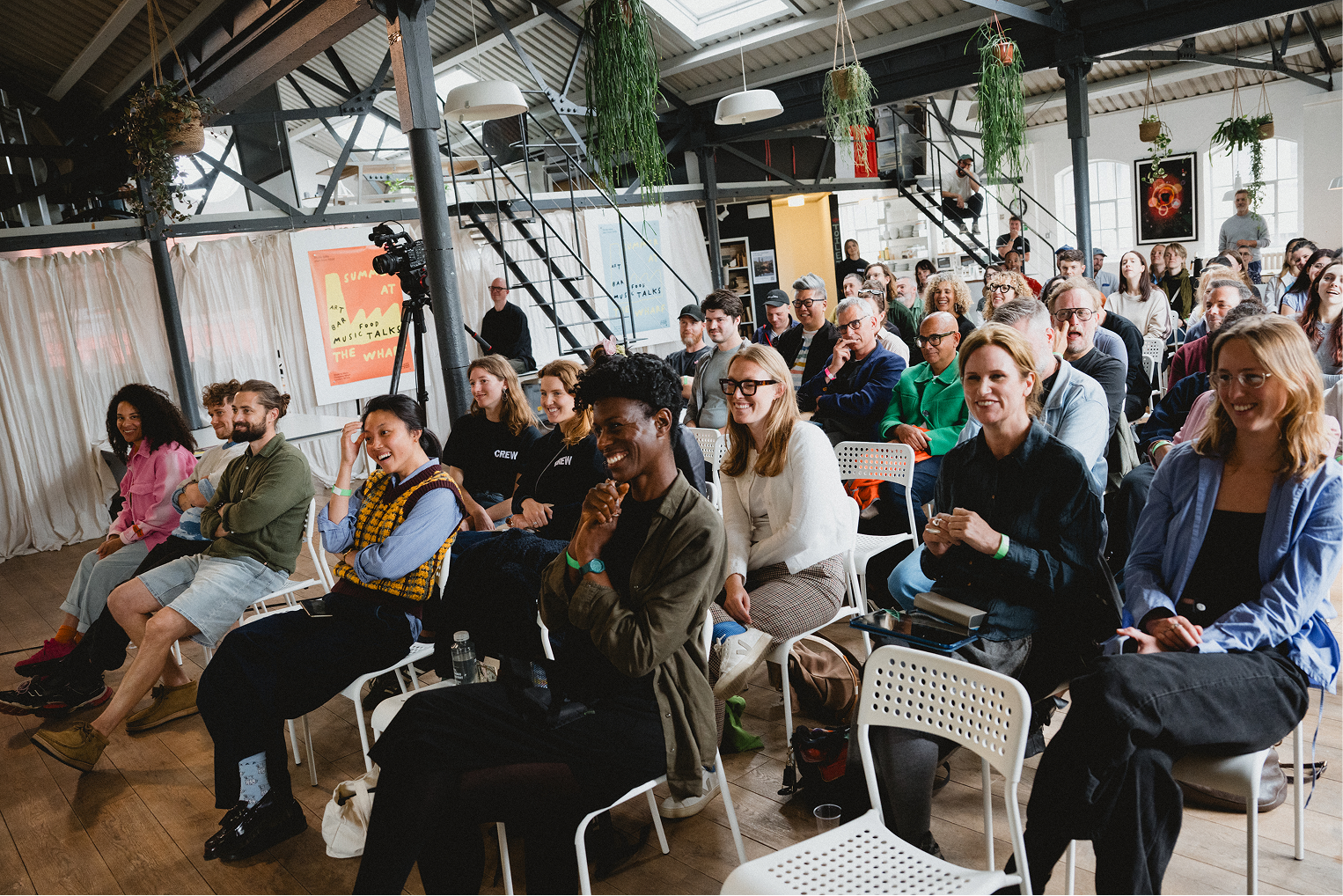
So this year we did it again, having learnt last year a bit more about how to do it without going crazy.
Over two days last week, Summer at the Wharf 2026 brought together designers, technologists, strategists, founders, artists, journalists, researchers, comedians and generally curious people to discuss everything from AI and design to misinformation, innovation, internet culture, consciousness and science fiction.
What struck me most, however, was not any single talk.
One of the side projects we ran alongside the event was an experimental collective intelligence platform called Kepler, that we made out of AI. Participants could anonymously contribute reactions, observations and insights throughout the festival, allowing us to build a picture of how ideas were moving through the event in real time.
A surprising number of those insights converged on a similar theme: again and again, people returned to the value of gathering in person.
Not in a nostalgic or anti-technology sense. After all, many of the conversations were about AI and emerging technology. Rather, there was a growing recognition that in a world increasingly shaped by synthetic media, algorithmic feeds, personalised realities and digital loneliness, being physically present with other people has become more valuable, not less.
Many of the most meaningful moments didn’t happen on stage. They happened over lunch, by the canal, in queues for coffee, or in conversations between sessions… and in the (short) queues for the genuinely beautiful portable toilets we brought in. The formal programme mattered, but much of the value emerged in the spaces around it. In the - dare I say it - “fringe”.
That feels important.
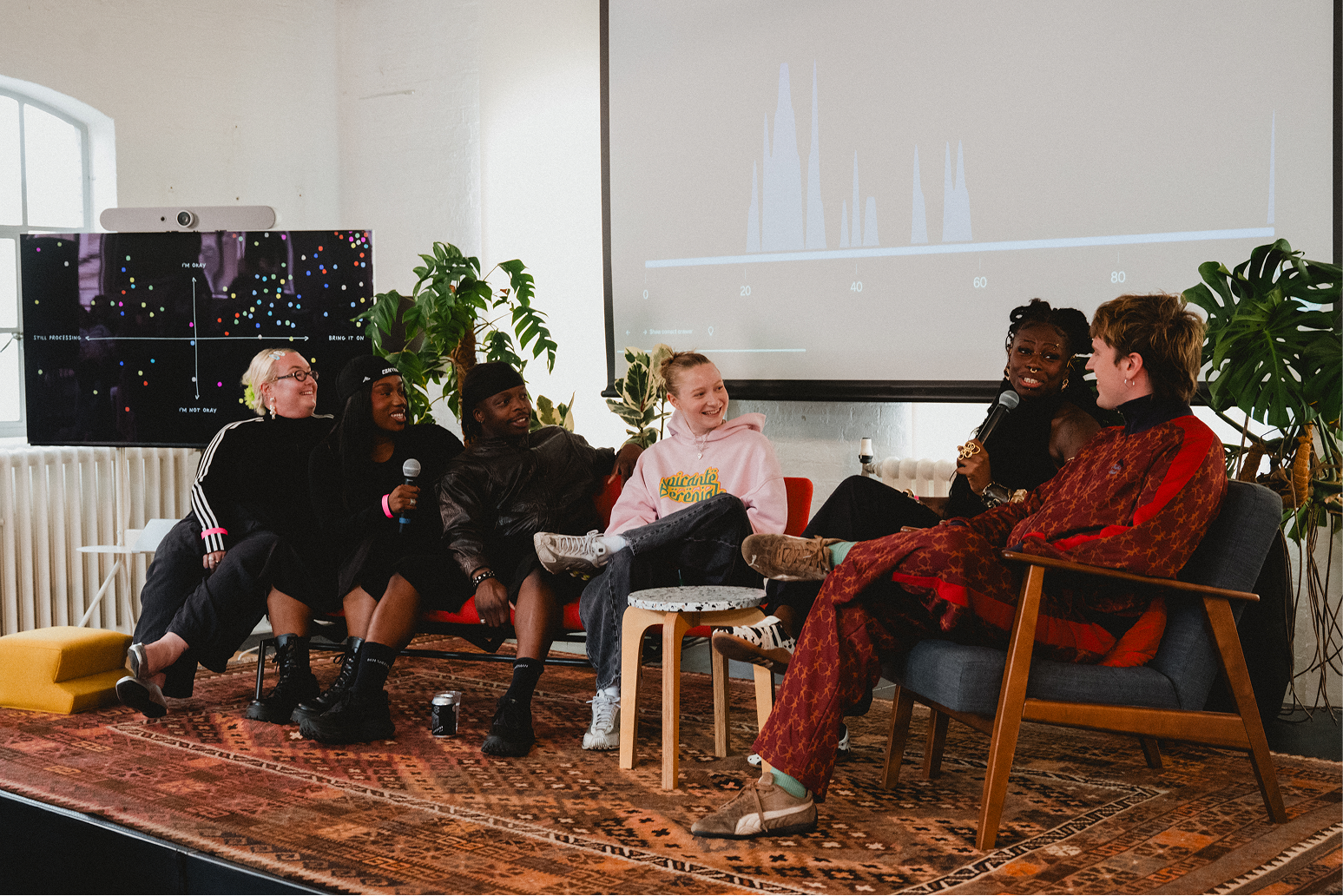
One of the recurring themes across the talks was that as technology becomes more powerful, certain human qualities become more important rather than less: judgment, trust, creativity, culture, relationships and our ability to make sense of things collectively.
Perhaps that’s why the event felt the way it did.
The future is increasingly digital - and quite frankly “bring that on!”. But understanding it still seems to work best face-to-face. They go together. They need to go together.
Huge thanks to everyone who joined us, especially our speakers, performers and contributors: Jenny Kleeman, Matt Muir, Stephan Sigrist, Oliver Sweet, Times New Roadman, Stripe Partners, OK COOL, Iain Tait, Elke Schwarz, Mark Bishop, Anders Sandberg, Mordecai, Ivan Heredia, Andrew Briscoe, Geraint Jones, Tom Harding, Jade Pughe, Ben Elliot, Joel Gethin Lewis, Adam Morris, Sarah Gold, Matt Webb, Alexander Thomas, Liza Betts, Isobel Logan and many others.
We’ll be sharing some of the ideas and insights that emerged over the coming weeks.
For now, we’re mostly just grateful.